
BUSINESS
September Inflation Hits 3.7% and Locks In Costlier Mortgages
September CPI rose to 3.7% as gasoline surged, lifting 30-year mortgages to 7.40% and locking in winter heating costs after the midterms.

U.S. consumer prices rose 3.7% in the year to September, the last inflation reading before the November 3 midterm elections. The Bureau of Labor Statistics said the all-items index increased 0.6% in September after a 0.4% rise in August, and that gasoline accounted for over half of the monthly gain.
The print also stopped a cooling in core prices and arrived after 30-year mortgage rates had already climbed to 7.40%. Those borrowing costs, and a 74.2% jump in fuel oil over the year, will still be on household bills after the votes are counted.
Gasoline Did the Heavy Lifting in September
The Labor Department released the Consumer Price Index at 8:30 a.m. Eastern on Wednesday, October 14. The CPI-U stood at 336.940 on the 1982-84=100 base, up 3.7% from a year earlier, after a 3.4% annual gain in August. Many private forecasts had clustered around 3.6% for the yearly rate.
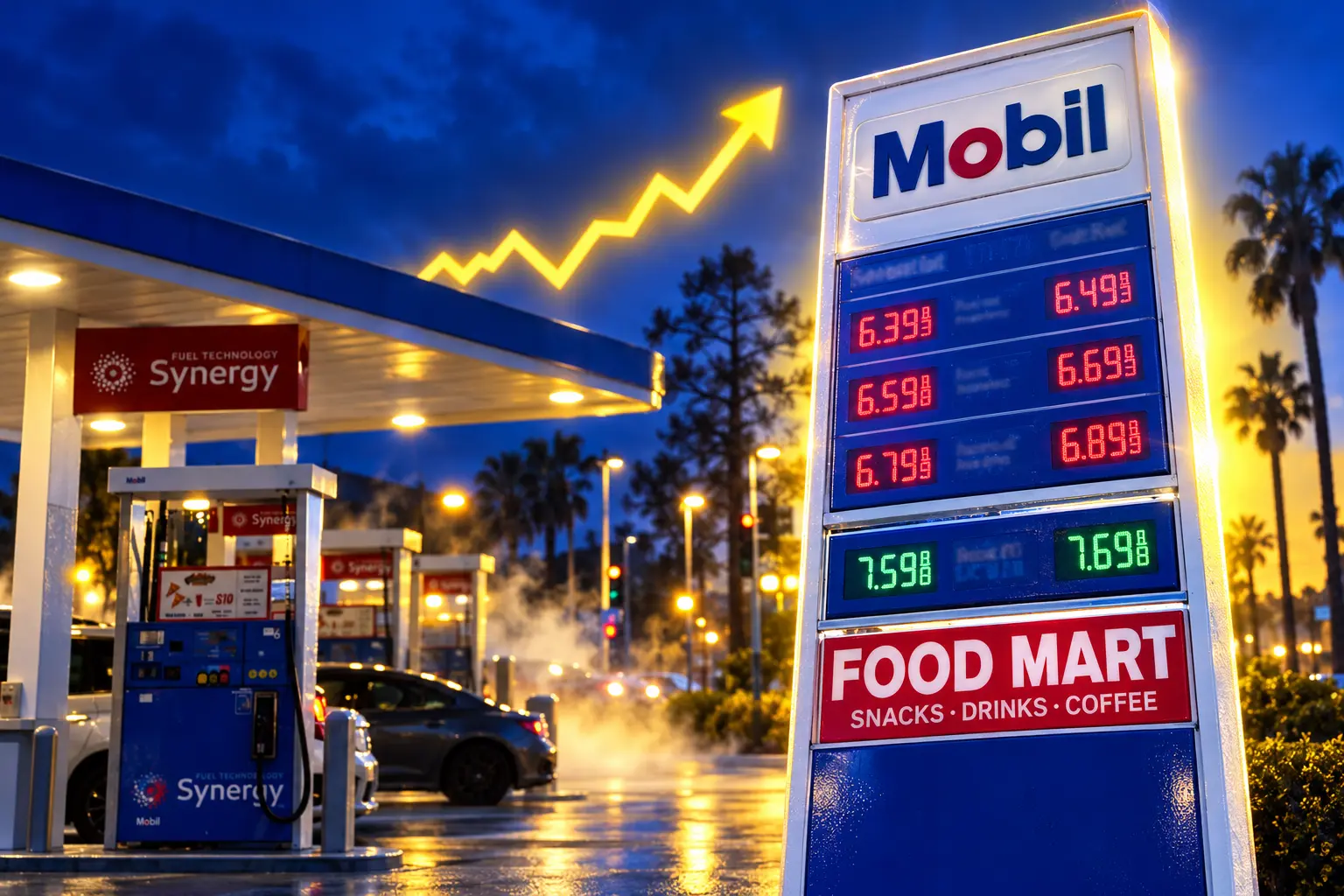
Energy did the visible work. The energy index rose 5.2% in September after a 2.1% increase in August, and it was up 20.4% over 12 months. The bureau said gasoline rose 9.1 percent in September, accounting for over half of the monthly all-items increase. Before seasonal adjustment, pump prices were up 6.5% on the month and 34.2% over the year.
SEPTEMBER 2026 CPI BY CATEGORY
| Category | 12-month change | September monthly change |
|---|---|---|
| All items | 3.7% | 0.6% |
| Energy | 20.4% | 5.2% |
| Gasoline (all types) | 34.2% | 9.1% |
| Fuel oil | 74.2% | 15.3% |
| All items less food and energy | 2.6% | 0.3% |
| Shelter | 3.2% | 0.4% |
| Airline fares | 22.4% | 1.2% |
| Food | 2.5% | 0.0% |
Food was the quiet line. The food index was unchanged in September and up 2.5% over the year, with groceries down 0.1% on the month and restaurant meals up 0.2%. Dairy fell 0.9% in September, and milk dropped 2.0%. Carbonated drinks rose 1.5%.
The Core Rate the Fed Cannot Blame on Oil
Strip out food and energy and the picture is less dramatic, and less easy to dismiss. Core CPI rose 0.3% in September, matching August, and the annual rate moved up to 2.6% from 2.4%. That yearly core figure had been the low of this cycle in August. Forecasts had looked for about 0.2% on the month and 2.5% on the year.
Shelter, the largest core weight, rose 0.4% in September after 0.3% in August and was up 3.2% over 12 months. Owners’ equivalent rent increased 0.3%, rent of primary residence 0.2%, and lodging away from home 2.0%. Used cars and trucks rose 0.7% on the month even as they remained 1.5% below a year earlier. Apparel was up 0.3% in September and 3.4% over the year. Airline fares increased 1.2% on the month and 22.4% over the year.
Gregory Daco, chief economist at EY-Parthenon, said the price increases outside food and energy were the part of the report that worried him, and that core goods rose at the fastest rate since January 2025. A gasoline spike can fade if crude does. A second straight 0.3% core gain, with shelter reaccelerating, is the reading officials cannot pin on the Strait of Hormuz.
The peak for this year’s headline rate remains May, when the bureau put the yearly gain at 4.2%, the fastest since April 2023. June through August then cooled to 3.5%, then 3.4%, then 3.4%. September’s 3.7% is the highest reading since that May peak, not a new high for the year.
7.40% Mortgages and a $22,000 Haircut for Buyers
Loan rates did not wait for Wednesday’s release. Freddie Mac said on October 8 that the 30-year fixed-rate mortgage averaged 7.40% for the week, up from 7.28% a week earlier and 6.30% a year earlier. The 15-year average was 6.73%.
The avg. 30yr FRM increases to 7.40% https://t.co/K9HBh1pgw5 pic.twitter.com/DjkaIqHhWf
— Freddie Mac (@FreddieMac) October 8, 2026
That 7.40% print is 74 basis points above the 6.66% average on August 27, a seven-week climb. Housing economist Jake Krimmel estimated that move as a 7.2% loss of buying power, or more than $22,000 of house for a buyer holding principal and interest to $2,000 a month. Sam Khater, Freddie Mac’s chief economist, said borrowers should still shop multiple quotes, because the gap between lenders can save thousands over the life of a loan.
FROM THE IRAN WAR TO THE LAST PRE-ELECTION CPI
- February 28, 2026: The United States and Israel begin military operations against Iran, the date Brown University uses as the start of its fuel-cost clock.
- May 2026: Yearly CPI hits 4.2%, the fastest pace since April 2023, with energy up 23.5% over 12 months.
- September 16, 2026: The Federal Open Market Committee, voting 12-0, raises the federal funds rate by a quarter point to a 3.75% to 4% range, the first increase since July 2023.
- October 8, 2026: Freddie Mac’s weekly survey puts the 30-year fixed average at 7.40%.
- October 14, 2026: The bureau publishes September CPI at 3.7%, the last scheduled inflation report before the November 3 elections.
Desks that lock quotes 60 days forward will still be using this print in November. A speech, a hike, or another hot month shows up in a refinance worksheet before it shows up in a campaign ad.
Fuel Oil Is Up 74.2% With Winter Ahead
Gasoline is the political price because drivers see it on a roadside sign. Fuel oil is the winter price, and it moved faster. The fuel-oil index rose 15.3% in September and 74.2% over 12 months. It is a thin slice of the national CPI, with a relative importance of about 0.115 in August, but it is a large bill in homes that still heat with oil, clustered in the Northeast.
Diesel, which is not a CPI headline the way gasoline is, is the freight price. Brown University’s tracker, which draws AAA retail averages, put the national diesel average at $6.300 a gallon, up from $3.670 on February 28, a 71.7% increase. Higher diesel feeds into groceries, building materials, and anything that moves by truck. Electricity was calmer, up 0.2% in September and 4.4% over the year. Piped natural gas fell 0.3% on the month and was up 5.0% over 12 months.
THE HOUSEHOLD BILLS THAT OUTLAST ELECTION DAY
- Pump prices: Regular unleaded averaged $4.333 a gallon on the Brown tracker, up $1.351 from $2.982 on February 28.
- Home heat: Fuel oil in the CPI is up 74.2% over the year and 15.3% in September alone, just as tanks get filled for winter.
- Freight: Diesel at $6.300 a gallon keeps a high floor under the cost of moving goods.
- Holiday travel: Airline fares are up 22.4% over the year after a 1.2% increase in September.
Those four lines do not require another CPI surprise to stay expensive. They are already in the level of prices, and they land on the same households that are shopping 7.40% mortgages.
Extra Fuel Since February Has Cost $1,026 a Household
Brown University’s Climate Solutions Lab runs a daily $1,026 in extra gasoline and diesel tally against a no-war price path, using AAA pump data, EIA consumption, and Census household counts. As of the latest update, the extra burden was $134.5 billion, or $1,026 per U.S. household across about 131 million households, over 228 days since February 28.
THE EXTRA FUEL BILL SINCE FEBRUARY 28
- Total extra spend: $134.5 billion on gasoline and diesel combined.
- Gasoline share: $74.14 billion, with the national average up 45.3% from $2.982 to $4.333.
- Diesel share: $60.31 billion, with the national average up 71.7% from $3.670 to $6.300.
- Per household: $1,026 across both fuels, about $566 of that from gasoline.
That tracker is fuel at the pump only. It does not add home heating oil, jet fuel, or the extra interest on a car loan or a mortgage. Mark Zandi, chief economist at Moody’s Analytics, published a wider household tally of about $2,000 since the war began, or $265 billion nationwide, and put the energy slice of that, including heating, near $1,100, rising by about $50 a week at current prices. The two figures describe different baskets. Brown counts gallons. Zandi counts a broader monthly squeeze.
Inflation in the US has come in higher than expected, in a blow to Donald Trump ahead of November’s midterms. The president has been desperate to show he is getting inflation under control and providing the environment for rate cuts, even going so far as allowing Russian diesel back into the market, but those moves are proving too little too late as the war in the Middle East continues to have a grip on the global economy.
Richard Carter, head of fixed interest research, Quilter Cheviot
On October 13, Trump wrote that Yemen’s Houthi group was hitting Saudi Arabia to drive up oil prices before the U.S. elections, and he said the group had probably acted at Iran’s behest. Later that day, at a rally in Wasilla, Alaska, he said his support for families had been “substantial,” and that “every time they want to try and get me, they say ‘affordability’.” The White House did not immediately comment on the October 14 CPI release.
Most Adults Blame White House Policy for Higher Prices
An Ipsos survey of 4,506 U.S. adults, completed October 5, found that 78% blame President Donald Trump’s policies for rising prices that are outpacing their earnings. The margin of error was 2 percentage points for the full sample and 3 points for Republicans, Democrats, and independents. Among Republicans, 64% assigned at least some responsibility to the White House, and 57% said costs have been growing faster than their paychecks. Those are separate questions. The 64% is about blame. The 57% is about pay versus prices.
Disapproval of Trump’s handling of inflation was 68% overall, including 40% of Republicans. About one in four Republicans disapproved of his handling of the economy, along with 63% of independents and 92% of Democrats. Fifty-four percent of adults, including 40% of Republicans, said the cost of living had increased a lot in the past year. White House spokeswoman Taylor Rogers, responding to the poll, pointed to tax cuts and lower prescription-drug costs and said the president had delivered tangible wins for families.
The November 3 elections will decide control of Congress. This CPI report is the last official inflation snapshot voters get before they vote, because the bureau has scheduled the October CPI release for November 10, a week after Election Day. The campaign argument is about who caused the 3.7% yearly rate. The household arithmetic is about a 7.40% mortgage, a $4.333 gallon of gasoline, and a fuel-oil bill up 74.2%.
October 28 Arrives With a Hotter Inflation Print
The Federal Reserve already moved in September. On September 16 the committee raised the federal funds rate to 3.75% to 4% and said inflation remains elevated. Minutes from that meeting, released October 7, showed that most participants judged another increase in the target range would likely be appropriate by year end. The next decision is due October 27 to 28.
Inflation remains elevated. Today’s policy action will support a timelier return to the Committee’s 2 percent goal. The Committee will deliver price stability.
Federal Open Market Committee, statement, September 16, 2026
Traders using CME FedWatch priced a 43.7% chance of a quarter-point increase at the October 28 meeting on Wednesday morning, up from 22.1% a day earlier. Heather Long, chief economist at Navy Federal Credit Union, called the choice a coin flip between a second straight hike and a hold in that 3.75% to 4% range. Stephen Brown, chief North America economist at Capital Economics, said the core surprise was broad rather than a one-off, which put an October hike back in play and raised the risk of more than two additional quarter-point moves.
Fed Chair Kevin Warsh is due at IMF meetings in Bangkok, the last scheduled remarks by a Fed official before policymakers go quiet ahead of the October 27 to 28 gathering. A hold would not unwind 7.40% mortgages or 74.2% fuel oil. A hike would feed both. Either way, the next CPI report lands on November 10, after the midterms, when the same heating bills and loan quotes will still be in the mail.
Disclaimer: This article is news reporting on the September 2026 Consumer Price Index, mortgage-rate surveys, and related public data, and it is for information only. It is not investment, housing, or financial advice, and it is not a recommendation to buy, sell, refinance, or wait on any loan, bond, or other product. Readers who are making a mortgage, savings, or investment decision should consult a qualified mortgage lender, financial adviser, or certified planner who can review their own figures. The rates, index values, and poll results cited here reflect the named sources as of the dates in the piece and can change with the next bureau release, the next Freddie Mac survey, and the October 27 to 28 Fed meeting.

MLB and the Union Will Not Extend the Labor Deal

Amazon Found PHP2Shell Probes Four Days Before the Patch

Brent Clears $117 After Gulf Crude Already Came Back

Chipmakers Took the Nasdaq Hit After Meta Burned Cash

Netflix Scored Its 2026 Series as Flops Against Home Runs

Rolex Made Drake the Daytona It Fights Jewelers Over

Treasury’s First Iran Bank Shot Lands on an Ally

Instinct’s $2.5 Billion Raise Still Binds the User as Agent

City’s £125m Enzo Deal Caps a £327m Midfield Rebuild

CSIRTs Inherit Europe’s Missing security.txt Before Article 14
-
 ENTERTAINMENT2 months ago
Rolex Made Drake the Daytona It Fights Jewelers Over
-
 BUSINESS2 months ago
Treasury’s First Iran Bank Shot Lands on an Ally
-
 NEWS2 months ago
Instinct’s $2.5 Billion Raise Still Binds the User as Agent
-
 NEWS2 months ago
City’s £125m Enzo Deal Caps a £327m Midfield Rebuild
-
 NEWS2 months ago
CSIRTs Inherit Europe’s Missing security.txt Before Article 14
-

 BUSINESS2 months ago
Berkshire Anchors Alphabet’s Record Raise With a $10 Billion Check
-

 NEWS2 months ago
Meta’s Teen Settlement Leaves Chat Off the Clock
-

 ENTERTAINMENT2 months ago
Ricky Gervais Wants Alley Cats to Run Until He Dies