
NEWS
Meta’s Teen Settlement Puts the Extra Bill on TikTok
Meta’s $17.1 billion teen deal holds back about $5.3 billion unless TikTok and YouTube take a one-hour cap and pay.

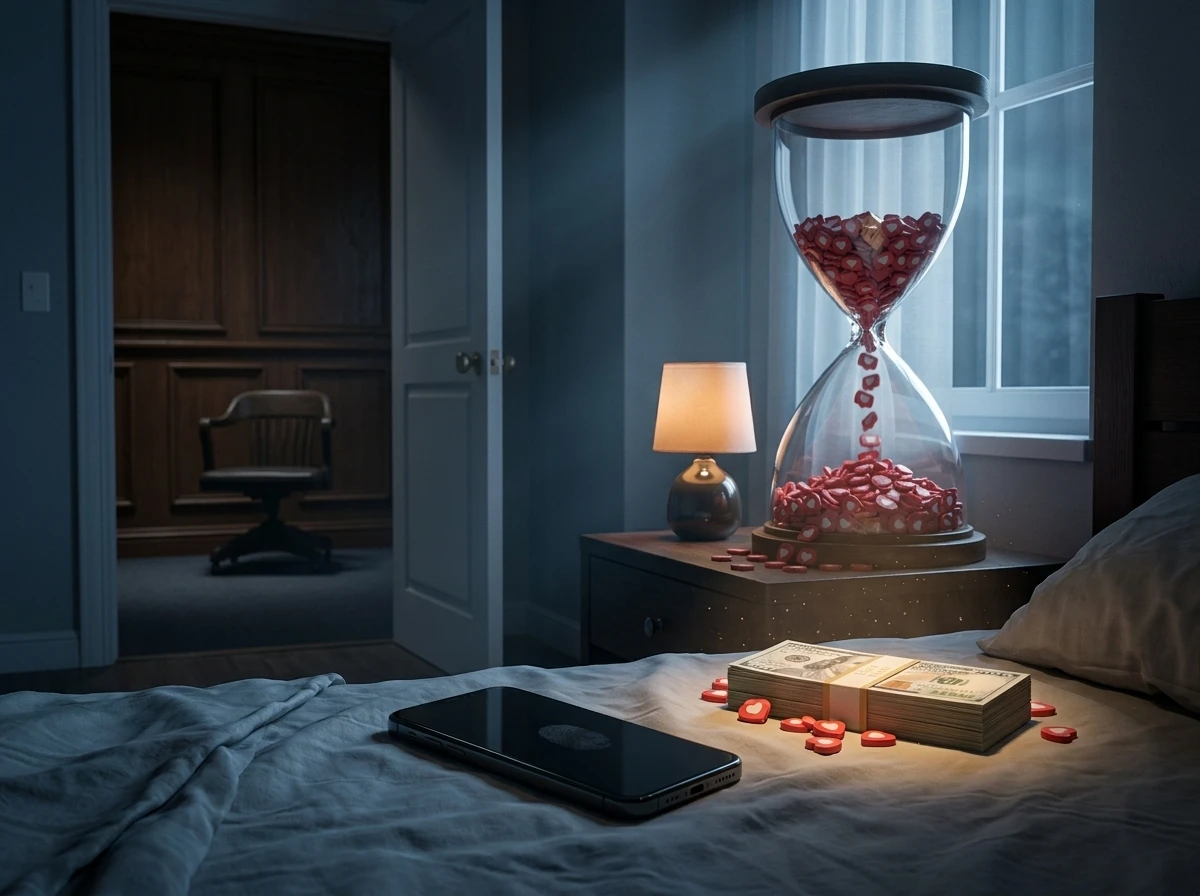
Meta settled a 47-state teen-addiction case Wednesday for up to $17.1 billion and a two-hour daily cap on Instagram and Facebook. Judge Yvonne Gonzalez Rogers entered the consent judgment in Oakland, ending a trial that had opened on August 18.
The same paperwork holds back about $5.3 billion unless TikTok and YouTube take a tighter cap and pay. Meta’s first public line after the deal named those two companies.
The $5.3 Billion Pays Only If Rivals Fold
New York Attorney General Letitia James said the coalition locked in at least $12.1 billion to coalition states, with the figure rising to $17.1 billion if other major platforms reach similar deals. Meta’s newsroom used a wider tally of about $18 billion, of which participating states receive about $12.7 billion over 10 years, or roughly 70%.
The remaining 30%, about $5.3 billion on Meta’s math, is released only after two conditions. YouTube and TikTok must add a one-hour daily limit, a night mode, and age checks. Each must also pay an amount matching that 30% slice, with half of Meta’s leftover tied to YouTube’s check and half to TikTok’s.
| Slice | Stated amount | What unlocks it |
|---|---|---|
| Guaranteed to settling states | At least $12.1 billion (NY AG); about $12.7 billion (Meta) | Annual installments over 10 years |
| Contingent remainder | About $5.3 billion (Meta) | YouTube and TikTok add a 1-hour cap, night mode, and age checks, and each match the payment |
| Meta’s combined company tally | About $18 billion | Includes Texas, which Meta listed among 52 attorneys general |
| Q3 2026 legal charge | About $10 billion | Accrued to this agreement, Meta said; not in July guidance |
CBS News reported that a Meta spokesperson described a separate Texas deal of about $1 billion that helps get the company to that $18 billion figure. Washington’s release does not list Texas in the $17.1 billion coalition. Florida is absent from both lists.
Meta will book about $10 billion in the third quarter for the agreement, a charge it said was not in the expense range from the July earnings call. For 2025, Meta reported revenue of $200.966 billion, operating income of $83.276 billion, and net income of $60.46 billion. The guaranteed decade of state payments is a single year of profit with change left over.
Two Hours a Day, With Exceptions Written In
California Attorney General Rob Bonta said the product terms are changes that take effect within months, not after another round of legislation. Parents can lift the defaults. Direct messages stay outside the clock.
The teen defaults Meta listed:
- Daily cap: Two hours across Facebook and Instagram, counted even if Meta detects multiple accounts, and off only with a parent’s permission.
- Night block: Midnight to 6 a.m., with no posting or viewing of Feed, Stories, Explore, or Reels.
- School mute: Push alerts off from 8 a.m. to 3 p.m., except direct messages and security or safety alerts.
- Scroll breaks: Prompts after every 15 minutes of continuous use, and again when daily use hits 60 and 90 minutes.
- Feed and likes: A non-algorithmic feed teens can choose, with parent power to make it the default, plus hidden like and reaction counts.
- Filters: A ban on extreme makeup filters, on top of the existing block on cosmetic surgery filters for teens.
If Snapchat, TikTok, and YouTube take comparable terms, Washington Attorney General Nick Brown said the daily cap on each Meta app drops to 60 minutes for 10 years. Meta’s own write-up matches that tighter clock and stretches night mode to 10 p.m. through 7 a.m. Until then, time limits and night mode start as a five-year promise. Most other terms run 10 years.
Bonta’s office also locked a report-handling rule the company newsroom did not headline: Meta must respond to 90% of teens’ harm reports within six hours. School-hour quiet time in that filing runs 8 a.m. to 3 p.m. from August 15 to June 15.
Zuckerberg Never Took the Stand in Oakland
The states had accused Meta of designing Facebook and Instagram to keep young users hooked, then misleading families about the risk, and of collecting data on children under 13 in violation of the Children’s Online Privacy Protection Act. Meta denied the claims in the judgment and still denies liability.
The path to Wednesday’s filing:
- 2021: Attorneys general opened a joint investigation of how platforms were built and sold to children, Brown’s office said.
- October 2023: James and 32 other attorneys general sued, alleging infinite scroll, constant alerts, and feeds that steered teens toward eating-disorder and self-harm posts.
- August 18, 2026: Trial opened in Oakland with California, Colorado, Kentucky, and New Jersey as the live plaintiffs.
- The first week: Arturo Béjar, a former Meta engineering director, testified that the apps were built to hold attention even when that hurt mental health.
- August 26, 2026: The parties filed the deal; Gonzalez Rogers entered the consent judgment the same day, according to court papers.
Béjar told the court, “If you step away from the product, they are not going to make any money.” Wired reported that Instagram head Adam Mosseri was due back on the stand the morning the deal landed, and that the trial was not a quarter of the way through a planned 19-day run. Mark Zuckerberg did not testify.
Ars Technica reported that Meta had told the court some states’ damages theories ran above $1.4 trillion. The Atlantic put the states’ working trial figure near $200 billion. Ending in week two also ended the public reading of more internal research. An independent auditor will test Meta’s compliance each year for five years, and the deal sets up a research foundation that will receive consented user data.
California Is in Line for $2.1 Billion
Cash follows population and the 10-year calendar. James said New York will receive at least $819 million and up to $1.15 billion, money her office wants used for phone-free classroom grants, clinician training, after-school programs, and public-health work. Bonta said California will receive $1.5 billion to $2.1 billion, with the legislature and governor still to decide the split, though the filing earmarks it for preventing or repairing youth harm tied to social media.
| Office | Stated share | Source |
|---|---|---|
| California | $1.5 billion to $2.1 billion | Bonta release |
| New York | $819 million to $1.15 billion | James release |
| New Jersey | At least $525 million | CBS News, from state AGs |
| Massachusetts | At least $366 million | CBS News, from state AGs |
| Virginia | $353 million | CBS News, from state AGs |
| Washington | $237 million guaranteed, up to nearly $339 million | Brown release |
| Georgia | Nearly $100 million, up to $135 million | CBS News, from the AG’s office |
Brown called the pact the largest state consumer protection settlement outside the 1990s Big Tobacco deals. Washington also takes an extra $10.2 million on a Cambridge Analytica resolution folded into the same papers. Georgia Attorney General Chris Carr said Meta was first to the table and should not be last.
The dollars move to state governments. Brown said his office will use a portion for attorney costs and consumer-protection work, plus programs on youth mental health. That is the part of the deal that reads like a fine to the public and like a budget line to the states. Individual teens who lost sleep do not get a check.
James Uthmeier, Florida’s attorney general, told CNET the state payouts are “peanuts” next to the harm, called the agreement “a slap on the wrist for a trillion-dollar corporation that has already paid more to its lawyers than it will pay the states,” and said Florida will see Meta at trial. New Mexico is also missing from the NY and Washington sign-on lists after a separate spring case. Meta’s own roster of 52 offices still omits both.
What Teens Can Still Open After Midnight
Night mode, the two-hour cap, and school mute do not apply to direct messaging, Meta said, so teens can keep talking to friends and family. Security and safety alerts also continue during school hours. The feed goes dark. The chat does not.
That hole is large if the harm the states described lives in group chats as much as in Reels. Parents who never turn on supervision tools will still see a two-hour clock and a midnight wall on the public surfaces, and a live message thread under both. Meta launched Teen Accounts in 2024 with tighter messaging and privacy defaults. Béjar’s point in Oakland was that engagement is the business, and former staff have argued those earlier switches did little.
Age checks are the other hinge. Meta said it will spend more on tools that catch under-13 accounts and that place 13-to-17 users into teen experiences even when they type an adult birthday. It also said app stores should pass verified ages to developers, a fight that sits with Apple, Google, and legislatures, not with this judgment. If a 14-year-old keeps an adult birthday, the two-hour cap never starts.
Meta’s Letter Names TikTok and YouTube
C.J. Mahoney, Meta’s chief legal officer, tied the whole bargain to companies that were not in the courtroom.
Our new Time Limit commitments, Night Mode features and usage limits during school hours set the right path forward for our whole industry, but this framework will only work if all our peers join us. Because teens move fluidly across dozens of apps, we need an industry-wide solution. We therefore call on our industry peers, TikTok and YouTube, to implement this new framework, right away.
C.J. Mahoney, Chief Legal Officer, Meta newsroom, August 26, 2026
The company posted an open letter aimed at TikTok and YouTube the same day and, Reuters reported, planned to run it in national newspapers on Thursday. HuffPost, citing New York Times reporter Mike Isaac, said the ad was slated for The New York Times, The Washington Post, and the Los Angeles Times. Reuters said TikTok and YouTube were not immediately available for comment, and a Meta spokesperson was “hopeful” Snap would move even though the letter does not name Snap. Washington’s term sheet does.
The ask is not symmetrical. Meta accepted two hours unless the others join. The others are being told to start at one hour, and to pay, before Meta’s leftover $5.3 billion moves. If they refuse, Meta keeps that slice and still sells the two-hour cap as the industry standard. James already has a separate suit against TikTok, which is the next obvious docket if this template is the point.
Bonta put the California version on the record Thursday morning.
https://x.com/RobBonta/status/2092831280790655115
Frequently Asked Questions
How much will Meta pay in the teen safety settlement?
James’s office set the coalition ceiling at $17.1 billion over 10 years, with $12.1 billion due even if no other platform settles; New York’s own band is $819 million to $1.15 billion, and she listed school phone-ban grants and clinician training as intended uses. Meta’s books use about $18 billion, a 70/30 split, and a $10 billion charge in the third quarter of 2026.
What daily time limit will Instagram and Facebook impose on teens?
The default is two hours a day combined, including extra accounts Meta detects, and a parent must approve any override. If Snapchat, TikTok, and YouTube take matching terms, that cap falls to 60 minutes on each Meta app and stays for 10 years instead of five.
Which states did not join the Meta settlement?
Florida’s attorney general rejected the money and said he will try the case; New Mexico is not on the sign-on lists released by New York and Washington after its own spring trial. Meta’s published list of 52 offices includes Texas and still leaves those two out.
How long will Meta’s new teen rules stay in force?
Most injunctive terms run 10 years. Time limits and night mode begin as a five-year commitment and extend to 10 years only if named peers sign on, which is also when night hours expand from midnight-6 a.m. to 10 p.m.-7 a.m. An independent auditor reports to the states each year for five years.
Do Meta’s night and time limits apply to direct messages?
No. Meta carved messaging out of Night Mode, the daily cap, and School Mode so teens can still reach friends and family, and school-hour muting still allows account-security and safety alerts. Public feeds, Stories, Explore, and Reels are what go dark after midnight.
Uthmeier still has a trial date. TikTok still has James’s complaint. Meta has a two-hour clock, a dark feed after midnight, and a $5.3 billion remainder that moves when those other apps blink.
Disclaimer: This article is news reporting on a court-approved settlement and related public statements, and it is for information only. It is not legal advice, medical advice, or guidance on any claim against Meta, TikTok, YouTube, Snap, or a state attorney general. Readers who think a child’s account, a pending case, or a health issue is at stake should talk to a licensed attorney or a qualified clinician before they act. Payment figures, product rules, and who has signed on reflect the cited filings and releases as of August 27, 2026, and can change if a court, a holdout state, or another company moves.
AUTO
Pateo Offers Yunji a Car-Grade Line for Robots
Pateo is offering Yunji auto-grade module making and chip buying, a quieter robotics supply play than robots on the factory line.
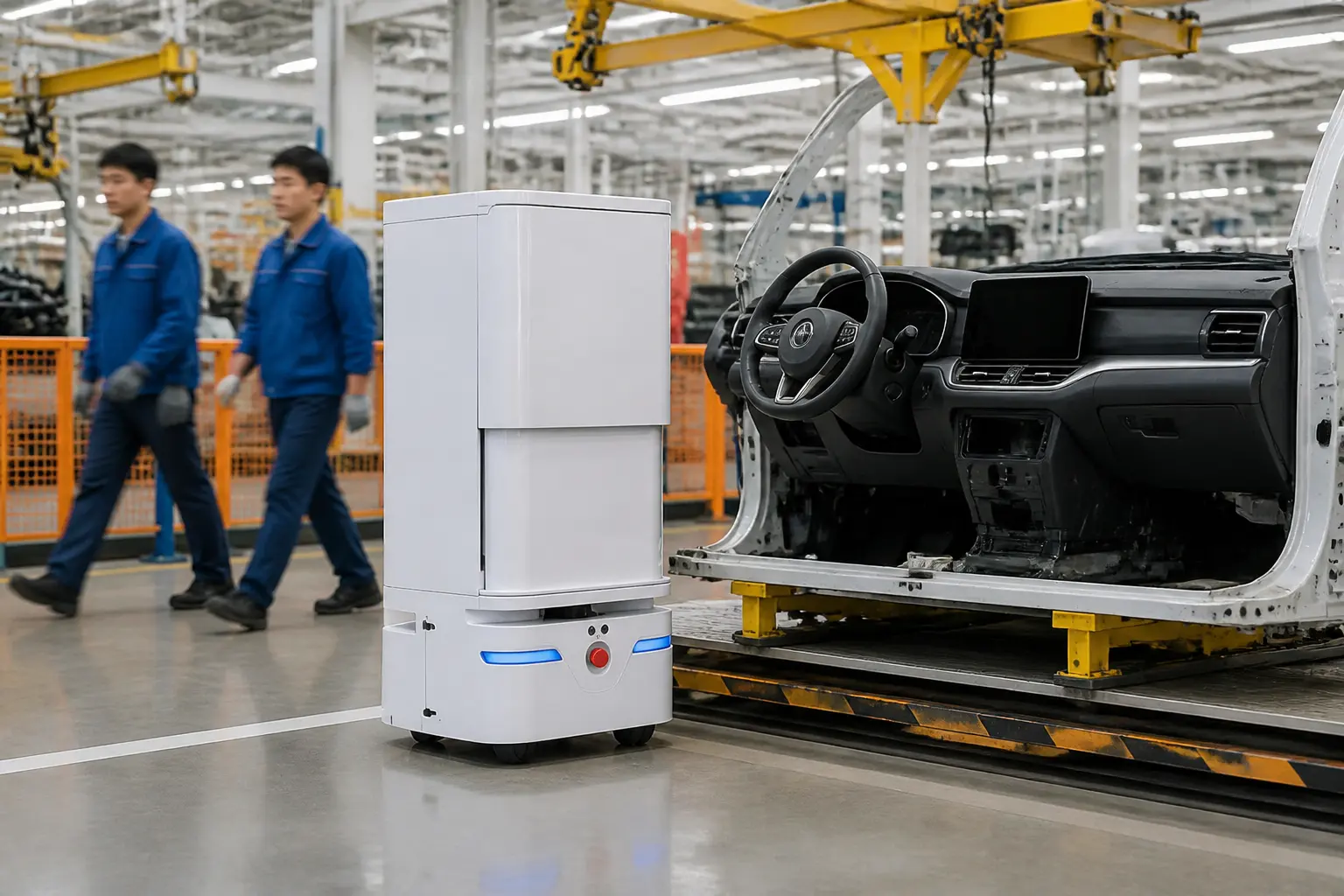
Pateo and Yunji Technology signed a partnership on Aug. 14 that puts a cockpit-electronics maker into the robot-parts trade. Gasgoo, the auto-industry publisher that first carried the news from Munich, said the Hong Kong-listed pair want Yunji’s service robots on auto production lines and Pateo’s electronics inside those machines.
The factory-floor language is what every brief repeated. The work that can start without a named plant is quieter: joint chip buying, contract building of robot control modules, and Pateo’s speaker-free sound tech on robot bodies.
What the Pateo-Yunji Partnership Covers
The Aug. 14 pact covers factory-robot trials, shared chip purchases, contract manufacturing of robot control modules, cockpit-style sound on robot shells, and joint research on an OpenHarmony control split. Pateo’s newsroom said the two firms signed a strategic cooperation agreement that week. The companies did not publish a contract value, a plant name or a start date.
Pateo Connect Technology, the Shanghai firm listed as 2889.HK, builds smart-cockpit systems. Beijing Yunji Technology, listed as 2670.HK, sells wheeled service robots mainly into hotels. Gasgoo said they will work across five tracks the firms named themselves: joint technology work, shared sites, a secured parts supply, joint sales, and partner-network tie-ups.
FIVE TRACKS IN THE PACT
- Factory trials: The firms will try robots inside auto plants and on parts lines for material handling and assembly help, then sell a working package to other industrial buyers.
- Skin sound: Yunji said it will put Pateo’s smart-sound system on robots first, swapping ordinary speakers for what the companies called skin-based sound.
- Chip buying: They will buy key materials such as chips together, a supply move that matters more to the smaller robot firm.
- Module making: Pateo will use its precision electronics plants to provide OEM and EMS work on robot control modules, aiming at lower part cost and tighter quality.
- OpenHarmony stack: They will jointly research a “brain-small brain” control split on OpenHarmony for embodied machines.
That last software track sits beside hardware Pateo already knows how to ship at car-plant volume. The EMS line is the piece a cockpit supplier can run from an existing board plant, even if no robot ever rolls down a BYD or Geely aisle under this banner.
Pateo’s Cockpit Line Still Pays the Bills
Pateo’s 2025 annual report, filed with Hong Kong’s exchange after the firm listed on Sept. 30, 2025, recorded RMB3.51 billion of 2025 sales, up about 37 percent from 2024. It shipped 1.30 million smart-cockpit domain controllers, up more than 40 percent. Gross profit was RMB434 million, or 12.4 percent of sales. The statutory loss for the year was RMB1.09 billion; the adjusted loss narrowed to RMB240 million from RMB352 million in 2024.
Chairman Ying Zhenkai wrote that Pateo holds a 25.18 percent share of mid-to-high-end cockpit domain control among Chinese domestic brands, first in that slice, and has served more than 200 vehicle models. CMB International, in a March initiation note, called Pateo China’s third-largest cockpit-controller shipper by 2024 volume, with about 0.9 million units and a 7.3 percent share that year, and named design wins that include a Korean automaker and Porsche.
| 2025 snapshot | Pateo (2889.HK) | Yunji (2670.HK) |
|---|---|---|
| Sales | RMB3.51 billion | RMB301 million |
| Result | Adjusted loss RMB240 million | Loss before tax RMB295 million |
| Core unit | 1.30 million cockpit controllers | Hotel robots, 13.9 percent hotel-agent share |
| Factory angle | Ruian plant named for robot parts | Factory-scenario sales RMB15.1 million |
Yunji’s whole year of sales is less than a tenth of Pateo’s. A hotel-robot firm that size cannot match auto-grade purchasing or board-level process control on its own, which is why the EMS and chip clauses read less like a press flourish than a capacity swap.
We anticipate that 2026 will mark the inaugural year of large-scale deployment of automotive-grade AI Agents, with the paradigm shift from “functional cockpits” to “AI-native intelligent cockpits” expected to be completed around 2028.
Ying Zhenkai, Chairman, Pateo 2025 annual report
That is still a car-cabin thesis. Robotics is a second door from the same electronics stack, not a replacement for the controller business that actually bills OEMs.
Yunji’s Factory Sales Are Real and Tiny
Yunji is not a humanoid startup. Founded in 2014, it listed in Hong Kong on Oct. 16, 2025 as a Chapter 18C specialist-technology name, and its English site still leads with hotels, hospitals and factories. The company’s own 2025 results release said total sales rose 23.1 percent to RMB301 million, hotel work brought in RMB244 million, and factory scenario revenue soared 393 percent to RMB15.1 million.
That factory figure is the sleeper inside Yunji’s own books. It proves the firm already sells into plants. It also shows how small that line remains: RMB15.1 million is about 5 percent of Yunji’s 2025 sales, and Yunji’s Hong Kong filing extracts showed a loss before tax of RMB295 million for the year. Frost & Sullivan, cited in the same results release, put Yunji first in China’s hotel-scenario robot-agent market with a 13.9 percent revenue share. Founder, chairman and president Zhi Tao said the company “will continue to increase R&D investment, promote industry standards, and attract global talent.”
The machine Yunji would actually roll into a car plant is closer to a hotel delivery bot than to a biped welder. Its modular UP composite robot uses swappable compartments on one chassis, which is how a vendor sells delivery, disinfection or reception from the same base. The GOGO and Run lines handle in-room drops and lobby runs. Those wheeled units can move totes and kits. They do not replace a six-axis arm on a body shop.
Xiaomi has already put humanoid robots into its own car factory for nut loading and tote handling, per 36Kr’s report of remarks by Lei Jun. Pateo does not own a vehicle plant. It can only invite Yunji into the factories of the 50-plus car brands it already supplies, which is a slower door than Xiaomi’s.
Ruian Was Already Pointed at Robot Parts
The manufacturing offer did not appear from nowhere in August. Pateo’s own newsroom and Gasgoo both described the Ruian smart-manufacturing base, which started production on June 23, as a cockpit-controller plant that would later add core parts for smart robots. That sentence, two months before the Yunji signing, is the through-line.
PATEO’S SUMMER SHIFT
- June 23, 2026: Ruian production line starts; the company says the site will expand into core components for smart robots.
- July 15, 2026: Pateo joins the application working group of MIIT’s humanoid-robot and embodied-intelligence standards committee, as a rare cockpit supplier in that room.
- August 7, 2026: Pateo agrees to buy about 70 percent of Chengdu Mingyi, a communications-chip designer, for no more than RMB1.4 billion, its first major deal since listing.
- August 11, 2026: A leading Chinese NEV maker picks Pateo for a high-end AI cockpit on Horizon Robotics’ Starry chip, which Gasgoo called the first such designation on a fully domestic cabin-driving chip.
- August 14, 2026: Pateo and Yunji sign the robotics pact.
- August 19, 2026: Pateo says a leading NEV maker picked it for Qualcomm’s 8397 cockpit platform, covering that customer’s cockpit line with 8295 and 8397 together.
Chip supply is the hinge between the Mingyi buy and the Yunji clause on joint procurement. Pateo already ships on Qualcomm’s 8295 and 8397 and Huawei’s Kirin 9610A, a dual-stack few cockpit houses can claim. Yunji, buying chips at hotel-robot volumes, gets a larger partner at the negotiating table. Pateo gets another socket for boards it already knows how to yield.
OpenHarmony Work Targets a Brain and Small Brain
The software clause is easier to over-read than the EMS clause. Gasgoo said the pair will jointly research a “brain-small brain” architecture on OpenHarmony, the OpenHarmony open-source system incubated by the OpenAtom Foundation. In that split, a high-level planner handles perception and task choice, and a faster motion layer keeps balance and joints on time.
That split is now the default in a lot of Chinese humanoid work, and it is also the one some new labs are trying to flatten. A single model that maps cameras straight to joint commands would make a two-layer “brain and small brain” stack look dated. Pateo and Yunji are still funding the two-layer version, on an OS that already wants robots to talk to phones, appliances and industrial terminals over one distributed bus.
Pateo appointed Dr. Gu Jinyu as an independent director on Jan. 29, 2026. CMB International’s March note tied him to OpenHarmony embodied-intelligence program work, which is why a cockpit house talking about Harmony on robots is not a random slogan. Pateo has also signed with Shanghai Jiao Tong University’s Artificial Intelligence Operating System Institute and listed technical work with NVIDIA, Horizon Robotics and SenseTime. Gasgoo added that Pateo has a project designation from another unnamed domestic robotics “brain” company.
OpenAtom’s own M-Robots OS, built on OpenHarmony and led by Shenzhen Kaihong, is already being sold as a robot operating layer with hard real-time claims. Pateo and Yunji did not say they will ship on M-Robots OS. They said they will research the two-layer split on OpenHarmony. That is a lab item until a robot boots it on a line.
Cockpit Orders Landed Five Days Later
Five days after the Yunji signing, Pateo told the market it had won the 8397 cockpit platform at a leading NEV maker, with the chipset named as a standard fit and the older 8295 work still in place. That filing is a reminder of which invoice still moves the share. Robotics did not pause the cabin business; the cabin business barely paused for robotics.
Coverage of Yunji’s first-half 2026 results, published in the week after the pact, put sales near RMB188 million and the net loss still above RMB100 million. Those H1 figures come from results round-ups, not from a filing opened for this article, and the reported year-on-year growth rates do not match across outlets, so they stay in that bracket. The 2025 audited picture is the one that holds: sales up, factory work up from a small base, losses still large.
WHAT CAN START WITHOUT A NAMED PLANT
- Control modules: Ruian can tool robot boards on the same electronics discipline used for cockpit domain controllers.
- Shared chip buys: Joint purchase orders do not need a live assembly-line robot to begin.
- Skin sound: A speaker-free transducer pack can be designed onto a UP-class shell in a lab before any automaker hosts a pilot.
The factory trial is the photogenic clause and the slowest one, because it needs a carmaker to open a running hall to a hotel-robot vendor. The module line is the clause that matches what Pateo already built in Zhejiang. Until a named plant and a unit volume show up in a filing, that is the part of the Aug. 14 pact that can move first.
Disclaimer: This article is news reporting and analysis of a corporate partnership and of figures drawn from company filings, newsroom posts and results releases. It is for information only and does not constitute investment advice, a solicitation to buy or sell any security, or a recommendation on Pateo, Yunji or any related stock. Readers should consult a licensed financial adviser or broker who can review their own objectives and risk limits before making any investment decision. Sales, losses, shipment counts and project designations reflect the cited sources as of Aug. 23, 2026 and may change with later filings or contract updates.
ENTERTAINMENT
Ricky Gervais Bets His Career on Alley Cats Forever
Ricky Gervais wants Alley Cats to run until he dies. Netflix has a UK number one, a 38 Metascore, and no season 2 order yet.
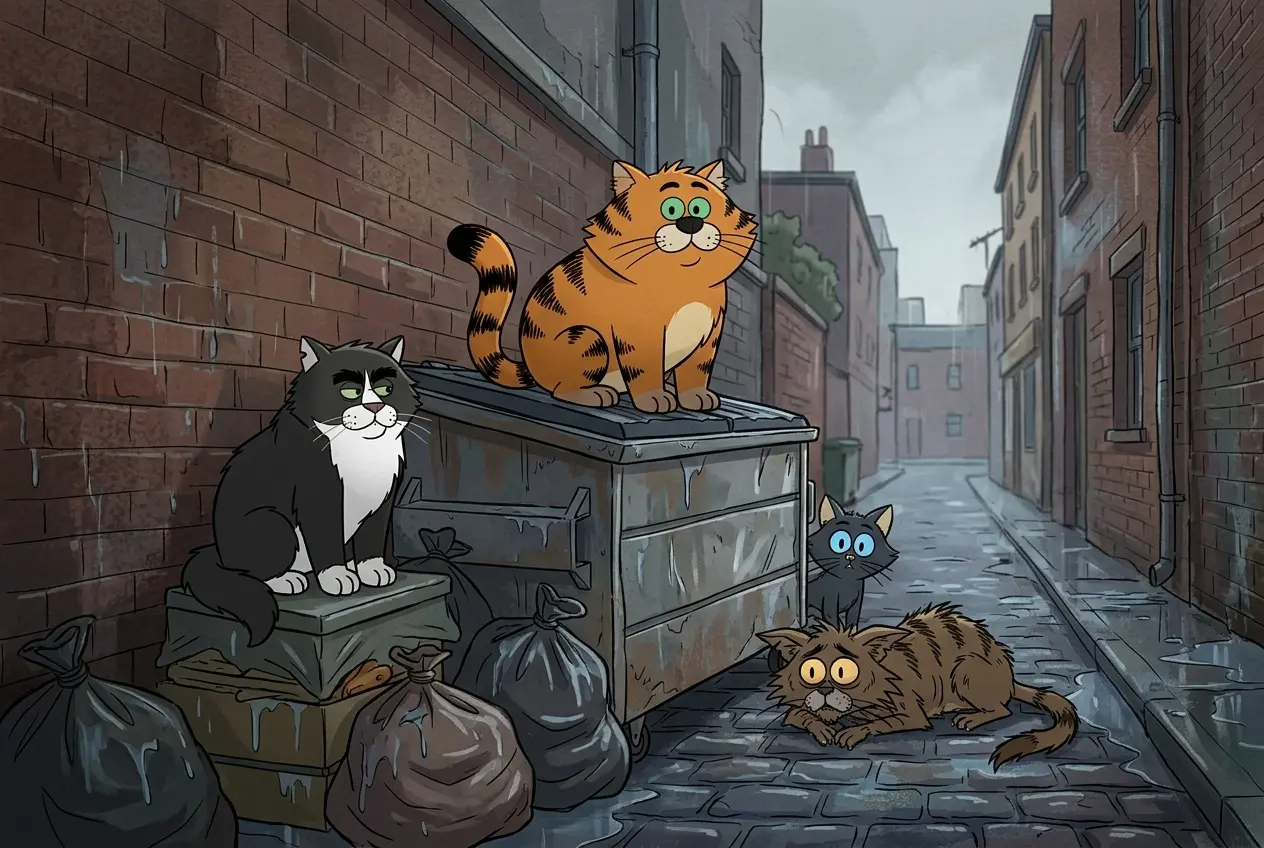
Ricky Gervais told fans he wants his Netflix cartoon Alley Cats to run until he dies, days after it hit number one in the UK. Critics scored it 38 on Metacritic. Netflix has not ordered season 2.
The six-episode Netflix comedy dropped on August 7. It is already the worst-reviewed show of his career, and the first one he has called the rest of his working life.
He Wants These Cats to Outlive Him
At the Annecy animation festival on June 25, Gervais turned 65, showed the first two episodes, and described the job in the simplest terms he had. No hair, no makeup, no dawn call. “The cats never get old. So as I get older and fatter, I can still sit in a chair and continue to make this forever,” he told the room, according to The Hollywood Reporter.
He had already said the same thing to the Mirror in July, before anyone had seen a finished episode. After the premiere he said it again on YouTube, this time to his own audience, and pushed the point past a gag.
It’s the first thing I’ve ever created that I’d like to go on forever. I can see myself just making this show till I die.
Ricky Gervais, YouTube, August 2026
He added that the cats will not age, and that it will not matter how fat, old and bald he gets. Someone can put him in a chair with a microphone, surrounded by the rest of the cast, “and off we go.” Senility, he said, would not matter much “as I’m usually talking bollocks anyway. It’s the dream job.”
That is the wager. After Life ended after three seasons. Stand-up specials come one at a time. Alley Cats is the format he has designed so the work can outlast his face, his back, and a shooting schedule. Netflix now has to decide whether it wants that show, or just the one week at the top of a chart.
A 38 Metascore Sat Next to a UK Number One
The critic pile-on was fast and public. Radio Times gave it one star. The Telegraph’s Anita Singh called it “staggeringly unfunny” and Metacritic logged that review as a zero. ScreenRant, tallying Rotten Tomatoes, said the Tomatometer made Alley Cats Gervais’s worst-reviewed series, worse than Derek at 60 percent and Life’s Too Short at 53 percent.
The season page on Rotten Tomatoes has since sat in the low 20s, most recently at 24 percent. Metacritic, which has 13 critic reviews on file, is the sturdier snapshot: a Metascore of 38, labelled generally unfavourable, with only two of those reviews in the green.
| Publication | Metacritic score | What they wrote |
|---|---|---|
| Wall Street Journal | 80 | John Anderson said it is “so gleefully vulgar it could make a TV critic blush,” then noted that all six episodes end on a sweet beat. |
| The Times | 60 | Carol Midgley found it “funnier when it isn’t being juvenile.” |
| Empire | 40 | John Nugent compared the laughs to Nightmare Alley and the look to Cats. |
| The Hollywood Reporter | 40 | Angie Han said it turns from vicious to “ooey-gooey sweet” without the depth to make either tone land. |
| Radio Times | 20 | Jack Seale wrote that in 2D, “his writing falls flatter than ever.” |
| The Telegraph | 0 | Singh’s one-line verdict was that the show is staggeringly unfunny. |
Gervais treated the chart as the reply. On August 9 The Independent reported he had posted “Oh. My. God.” on Instagram next to a screenshot of the UK number one slot, and said he had “never been so happy.” Radio Times recorded the same thanks to “the best fans in the world” on X. The Mirror later quoted him saying the fan response made him feel “like crying,” and that he has “had a few number ones.”
HuffPost UK, writing once the first surge had cooled, had the title down at number four in Britain, behind new episodes of My Life With the Walter Boys and documentaries on Charles Manson and José Mourinho. Netflix still had not spoken.
The audience numbers on review sites do not match the “fans versus critics” story either. Metacritic’s user score is 2.9 from 58 ratings, with 69 percent negative. Rotten Tomatoes audience figures have been warmer, in the high 50s to mid 60s depending on the day you look. A UK number one measures who pressed play. It does not measure who thought the jokes worked.
The craft complaint, once you read past the culture-war posts, is narrower than outrage. It is repetition. The insults settle into a loop, then each short episode swerves into a sincere close that a lot of viewers do not feel has been earned. Radio Times, the Telegraph, Empire and The Hollywood Reporter all filed pans. That is not a single blog pile-on. It is the British and American trades saying the writing is thin.
How Alley Cats Was Built to Run Forever
The production is the other half of the bet. Gervais did not make a cartoon the usual way, with storyboards first and actors last. He pitched a sitcom about swear-y cats to Netflix, then built it like a radio comedy that someone would later have to draw.
On Netflix Tudum he said his girl tabby-tortoiseshell, Pickle, is part of Gus, the lazy ginger tom he voices. “The rest of Gus is probably me, a fat bloke on the sofa watching telly.” Variety, at the 2025 first look, carried his other self-portrait: “I play a fat, lazy, rude, opinionated creature with fangs, who’s not as smart or brave as he thinks he is. So quite a stretch.”
Each episode runs about 15 minutes. Netflix lists episode one, Lost, at 17 minutes: Gus and the gang go to a cemetery to hunt mice and find a lost kitten. The official tagline is “Nine lives, zero fucks.”
https://x.com/rickygervais/status/2069047447460978698
He told Tudum he wanted the cats unwanted on purpose, “to add to the pathos and the jeopardy,” and to set a posh house cat among hungry strays like a British class sitcom. The models he named were The Phil Silvers Show, Cheers, Porridge and Only Fools and Horses. “It’s not surreal apart from the fact these cats talk. I’ve tried to make it quite naturalistic.”
- September 2023: Gervais later said he found original sketches from this month, and that the gap to screen felt “mental.”
- September 11, 2025: Netflix unveiled the show for a 2026 launch, with Gervais creating, writing, co-directing and voicing Gus.
- June 25, 2026: He screens two episodes at Annecy, turns 65, and tells the festival he can make this forever.
- August 7, 2026: All six episodes land on Netflix as a TV-MA comedy.
- August 9, 2026: He celebrates the UK number one slot while the reviews are still coming in.
Animation Magazine, in an interview before launch, said Blink Industries won the contract after a tiny sample, “like, 20 seconds worth.” Gervais then wrote all six episodes and recorded them with the actors in the same room at the same time, before a frame was drawn. That is the opposite of most animation, and it is also the thing that makes a second season logistically easy for him and expensive for the people with pencils.
He told the Annecy crowd, “Don’t do cartoon voices. Talk as you normally do.” He told Tudum he hands the tapes over with a blunt instruction: “Animate what’s happening. Don’t add to the joke.” Because the cast recorded together, the show keeps real laughs. “It’s funny when you see a cat laughing in the background. Nothing happens by mistake in animation.” Every corpsing line still has to be drawn.
The After Life Deal Netflix Already Signed
Netflix has already seen this movie with Gervais, minus the fur. After Life was a critic-splitter that the streamer kept going anyway. Rotten Tomatoes now lists season 2 at 79 percent and season 3, which arrived in January 2022, at 64 percent. The show still ran three seasons, and Gervais closed it on his own timetable.
On May 6, 2020, Variety reported After Life’s third-season renewal in the same breath as an overall Netflix deal covering scripted series and stand-up. That order came less than two weeks after season 2 launched. It was, as the After Life record later noted, the first time a Gervais fiction series had gone past two runs.
When Netflix showed Alley Cats in 2025, AV Club treated that overall deal as still in force, and listed the rest of the account: the film Special Correspondents, then the specials Humanity, SuperNature and Armageddon, the last of which won a Golden Globe and a Guinness mark for the highest-grossing single stand-up date. His Mortality tour was already lined up for the same platform.
That history is why a 38 Metascore does not settle the question. Netflix has renewed him when the audience showed up, and it has used him as a stand-up house brand for eight years. Alley Cats is shorter than After Life, cheaper to shoot for the star, and harder to make for the studio. The streamer’s own record says the reviews are not the whole test. It does not say a cartoon with a 2.9 user score gets a free pass.
Someone Still Has to Draw the Next Season
If Gervais sits in the chair forever, other people have to keep coming back. The voice company is mostly the After Life and Derek gang, recorded as a group so they can interrupt each other. Co-director Elliot Dear came from a Love, Death and Robots episode. The drawings are Blink Industries adult animation, the London studio behind Don’t Hug Me I’m Scared and Dead End: Paranormal Park, with Tang Heng (Kung Fu Panda) as production designer. Metacritic lists Derek Productions, Shush Creative, Blink and Netflix Animation as the companies on the title.
Tudum names the gang that would have to reassemble.
- Gus: Gervais as the curmudgeon tom, part Pickle and part “fat bloke on the sofa,” alleged tough guy of the crew.
- Fang: Andrew Brooke as the chaotic tuxedo cat.
- Puke: David Earl as the shameless fleabag, the part several viewers already say steals scenes.
- Olive: Diane Morgan as the dim stray, another After Life regular back on the mic.
- Ponce: Tom Basden as the dapper domestic, the middle-class pet Gervais planted to start the class row.
- Kitten: Jo Hartley as the lost cat trying to get home, the plot engine of episode one.
Kerry Godliman, Natalie Cassidy and Tony Way are also in the voice cast. Gervais exec-produces through Derek Productions with Steven Hamilton Shaw of Shush Creative. For him the next season is a microphone. For Blink it is another six episodes of 2D on a show whose creator has already said he does not want an ending.
He told Tudum he wanted people “to love the cats,” and that the stories should surprise. He also said the show is existential because cats “know they haven’t got long.” That is the odd hinge of the bet. The characters are written as short-lived. The production is written as endless.
Will Netflix Order Alley Cats Season 2?
Netflix has not confirmed Alley Cats season 2. Gervais has said, more than once, that he wants the cartoon to continue until he dies, and the streamer has previously renewed his work fast when the audience showed up. That is the whole public record as of August 20. Everything else is inference from a UK number one, a 38 Metascore, and a format built for reruns.
WHAT WE KNOW
- The order: Netflix has not confirmed or denied more episodes, which is the same silence HuffPost UK reported last week.
- The chart: The show reached number one in the UK in its first days, then slipped; HuffPost had it at number four behind Walter Boys, Manson and Mourinho.
- The scores: Metacritic’s critic average is 38 from 13 reviews; its user average is 2.9 from 58 ratings.
- The pitch: Gervais has repeated the forever line at Annecy, in the Mirror, and on YouTube after launch.
WHAT IS UNCONFIRMED
- A second season: No episode count, no date, no internal Netflix leak has been verified.
- The overall deal: The 2020 Netflix pact is public; whether Alley Cats is already covered by it has not been spelled out.
Global hours: Tracker pages exist, but no clean worldwide hours figure has been published in a form that can be cited.
This week the argument on X had already jumped from the jokes to whether Gervais is finished. GB News ran a headline on August 18 about retirement calls in the backlash. On August 19 he posted a laughing emoji, and people underneath were already treating a second season as the thing that would prove the obituaries wrong. That is a lot of weight for six short episodes about cats in an empty flat.
He still has the chair, the old cast in one room, and a studio that already knows the faces. Netflix still has the only yes that counts.
ENTERTAINMENT
Rolex Gifted Drake a Daytona Dealers Already Priced
Rolex sent Drake a one-of-one Ice Gradient Daytona in August, after Iceman’s chart sweep, a gift the resale market already knows how to price.
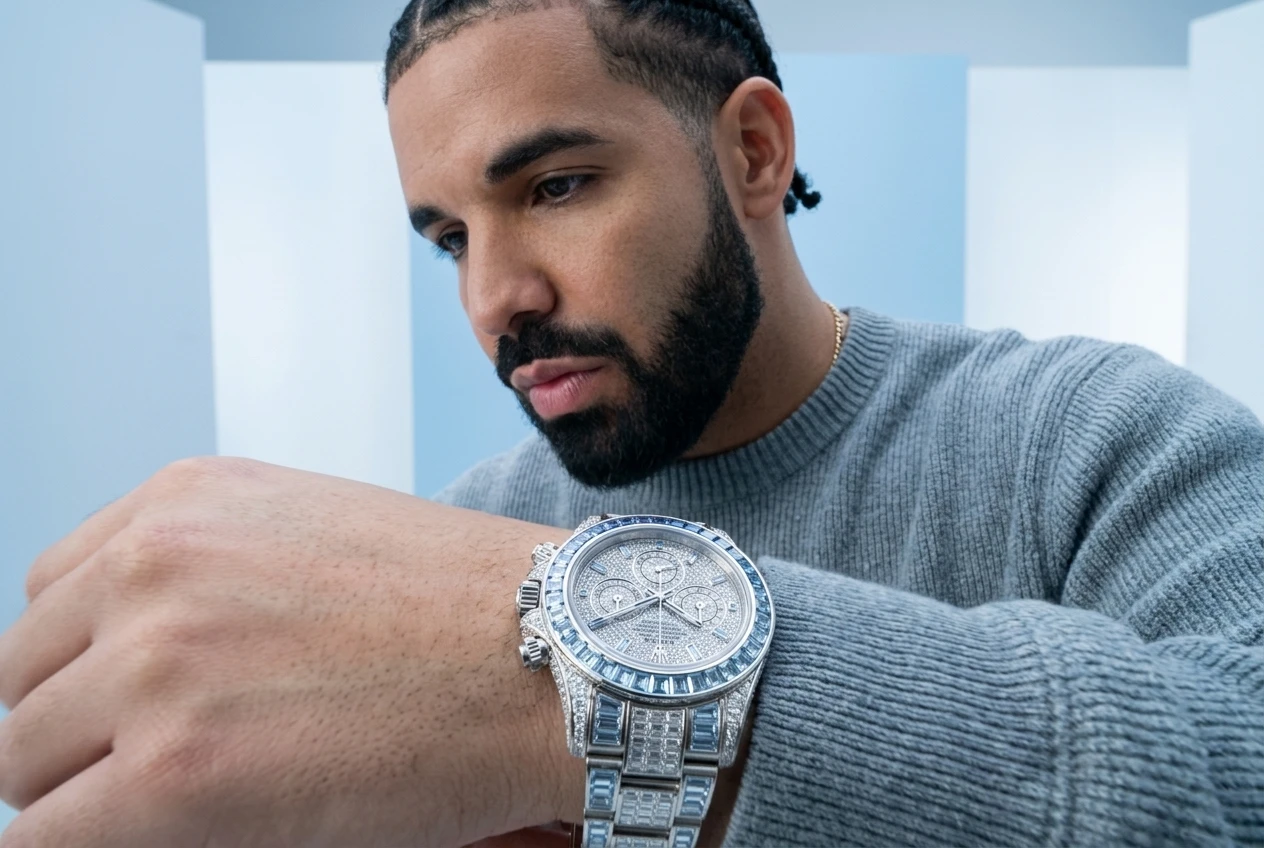
Rolex sent Drake a one-of-one Ice Gradient Daytona in mid-August, three months after Iceman opened at No. 1. He posted the watch on Instagram on August 14 and thanked “the wonderful team at Rolex” for a piece he called a generational ticker, according to a caption quoted by XXL.
The gift landed on a year dealers can already price. Wind Vintage had asked $500,000 this spring for the gold GMT-Master II from the Take Care cover, and that page now reads sold.
What Rolex Put on Drake’s Wrist
Drake’s caption named it the “One of One Piece Unique Ice Gradient Daytona,” crafted for “the record breaking milestones of 2026.” Complex described white and blue diamonds laid in a gradient, more stones on the dial, and “Freeze the World” cut into the caseback in blue. One Instagram watch account put the piece around $300,000. Rolex has not posted a matching newsroom note.
https://www.instagram.com/p/DcC1aWkjY7z/
Complex tied the custom to Rolex’s off-catalog platinum Daytona line, reference 116576TBR. Factory versions of that watch, first shown around 2014, already used a 40 mm platinum case, a baguette-cut diamond bezel, and ice-blue counters. Drake’s example goes further: a unique stone mix and an album slogan on the back.
THE ICE GRADIENT SPECS
- The name: Drake called it a Piece Unique Ice Gradient Daytona, not a catalog reference.
- The platform: Complex mapped it to the off-catalog platinum Daytona 116576TBR.
- The caseback: “Freeze the World” is engraved in blue, matching the Iceman slogan.
- The street guess: an Instagram watch account cited by Complex put it near $300,000.
Database listings for the 116576TBR case and movement describe a 40 mm platinum chronograph on Rolex caliber 4130. That is the factory starting point. The gradient stones and the slogan are what make this one unrepeatable from a boutique.
The Iceman campaign had already used Rolex hardware. Drake wore another model in the “What Did I Miss” video. Complex said a platinum Daytona was on his wrist in a frozen-room livestream on July 4, while the album was still a tease. His August caption dates receipt of this 1-of-1 to months after the records were in.
Three Albums, 687,000 Units, Then a Watch
Iceman, Habibti, and Maid of Honour all arrived on May 15. Billboard, using Luminate figures, put them at Nos. 1, 2, and 3 on the chart dated May 30, the first time one act had held the top three at once since the Billboard 200 went weekly in March 1956.
| Album | Billboard 200 debut | First-week U.S. units |
|---|---|---|
| Iceman | No. 1 | 463,000 |
| Habibti | No. 2 | 114,000 |
| Maid of Honour | No. 3 | 110,000 |
Iceman’s 463,000 units were the biggest R&B/hip-hop week of 2026 and the second-largest week of the year for any album, behind BTS’s Arirang at 641,000, Billboard said. Streaming made up 449,000 of that opening sum, equal to 462.2 million on-demand plays of the album’s songs. Pure sales were 13,000 digital copies. Track-equivalent units were 1,000. Combined, the three titles did 687,000 units in seven days.
Iceman is Drake’s 15th No. 1 album, Billboard wrote, moving him past Jay-Z among solo men and tying Taylor Swift among soloists. Only the Beatles, with 19, sit ahead. Guns N’ Roses in 1991 and Nelly in 2004 had debuted at Nos. 1 and 2 together. Nobody had opened at 1, 2, and 3.
Rolex’s gift, by Drake’s own dating, did not land on release Friday or on the May 30 chart. It arrived in August, after the sweep was a closed file and the slogan on the caseback already had a chart to match.
Ice Blue Already Marks Rolex Platinum
Rolex did not have to invent a cold palette for Iceman. The house already treats ice blue as a platinum cue. A current ice-blue platinum Cosmograph Daytona sits in the U.S. catalog as a 40 mm Cosmograph with spray-coated counters. Rolex’s model list has priced that platinum Daytona at $84,600, a fraction of the Instagram guess on Drake’s unique piece.
On a Day-Date product page, Rolex describes the exclusive ice-blue platinum dial as the signature of that metal, used on the Day-Date, the Cosmograph Daytona, the Perpetual 1908, and the Land-Dweller. Drake’s watch takes that in-house color and loads it with baguette stones until it reads as album merch you cannot buy.
That is the part Rolex does not sell at the counter. Off-catalog diamond Daytonas already trade far above list. A factory unique with a Drake slogan on the back is not a product. It is a private object that will photograph for the rest of the Iceman cycle.
The Take Care GMT Listed for $500,000
Florida dealer Wind Vintage spelled out how the market treats a Drake Rolex. This spring it posted the 18k yellow gold GMT-Master II, reference 116758SANR, that Drake wore on the Take Care cover and in the “Marvin’s Room” video. Robb Report, Complex, and Hypebeast all carried the ask at $500,000. Regular examples of the same reference trade near $100,000 on Chrono24, Robb Report wrote. The Drake link was the other $400,000.
The watch has 36 baguette diamonds and 12 black sapphires on the bezel, diamond work on the lugs and crown guards, and an OVO owl engraved on the caseback. Wind Vintage says it was bought in 2011. The Take Care GMT-Master II listing now shows sold. The shop did not publish a hammer price.
I love watches with great provenance and stories. I think Take Care is one of the most important albums from the last 20 years. Drake is an icon.
Eric Wind, Wind Vintage, quoted by Hypebeast
Wind, a former Christie’s watch specialist, bundled the gold owl statue from the cover, clothing, and backstage passes with the watch. Take Care is a diamond album at more than 10 million copies, spent 400 weeks on the Billboard 200, and won Best Rap Album at the 55th Grammys, the dealer’s copy says. That is the comps sheet for the Ice Gradient, whether or not Drake ever lets it out of the house.
Drake Has Handed Out Rolexes Before
The same man now thanking Rolex has used custom Rolexes as gifts when other people’s albums hit No. 1. In late June 2021, Lil Baby posted a Chrome Hearts-bracelet Day-Date and credited Drake, days after Lil Baby and Lil Durk’s The Voice of the Heroes topped the Billboard 200. Time and Tide read it as a factory Day-Date case on a custom Chrome Hearts bracelet. GQ Australia called it a Day-Date outfitted by Chrome Hearts.
DRAKE’S MILESTONE ROLEXES
- Take Care GMT: A 2011-era 116758SANR with an OVO owl on the back, listed at $500,000 and now marked sold.
- Lil Baby Day-Date: A Chrome Hearts bracelet on a Rolex case, posted June 28, 2021, after The Voice of the Heroes went to No. 1.
- Iceman campaign watches: A separate model in “What Did I Miss,” plus a platinum Daytona Complex spotted on a July 4 livestream.
- Ice Gradient Daytona: The August 14 factory unique with “Freeze the World” on the reverse.
He collects them, he gives them, and he now has one Rolex built around his own chart week. The brand that almost never does celebrity ads still found a way to put its name on the coldest visual of his year without taking out a billboard.
The Clone Market Drake Tried to Head Off
The line people kept quoting was not the thank-you. It was the warning. “Please do not get your local jeweler to recreate. This is a stand alone and a part of history,” Drake wrote, as quoted by XXL. He already knows how this goes. Ice-and-diamond Daytonas are a cottage industry. A factory unique with a slogan is a template the moment the stills circulate.
THE 2026 DATES ON THE CASEBACK
- May 14, 2026: A livestream the night before release reveals Habibti and Maid of Honour beside Iceman.
- May 15, 2026: All three albums land as digital titles.
- May 30, 2026: The Billboard 200 dated that week puts them at Nos. 1, 2, and 3.
- August 14, 2026: Drake posts the Ice Gradient Daytona and says he received it that day.
Rolex waited until those dates were fixed, then put them on a wrist in platinum and blue stones. Dealers already ran the math on the last Drake Rolex that left a vault. This one is not for sale. The people with a stake are the brand that built it, and the shops that will someday be asked what a Freeze the World Daytona is worth.
Frequently Asked Questions
How Many Tracks Are on Iceman, Habibti, and Maid of Honour?
Billboard’s first-week recap counted 18 tracks on Iceman, 11 on Habibti, and 14 on Maid of Honour. Luminate’s paired stream counts were 462.2 million, 110.63 million, and 105.48 million on-demand U.S. plays in that opening week, and all three titles were sold only as digital albums.
Who Consigned Drake’s Take Care Rolex to Wind Vintage?
Wind Vintage says the GMT-Master II was purchased in 2011 by a colleague of Drake from the years he broke through, not consigned by the rapper. The package on the now-sold page also includes the gold owl statue from the album cover, clothing, and backstage passes from the Club Paradise tour.
How Long Did Take Care Stay on the Billboard 200?
Wind Vintage’s copy says Take Care spent 400 weeks on the Billboard 200 and is certified diamond by the RIAA at more than 10 million copies. Rolling Stone ranked it 95th on its 500 Greatest Albums list, and it won Best Rap Album at the 55th Grammy Awards, Drake’s first of five Grammys, per the same listing.
What Movement Do Off-Catalog Platinum Daytonas Like the 116576TBR Use?
Dealer and database listings for the 116576TBR name Rolex caliber 4130, an in-house chronograph with a 72-hour power reserve. They also list a 40 mm platinum case about 12.4 mm thick, 20 mm lugs, and 100 meters of water resistance, the factory skeleton under Drake’s unique stonework.

Meta’s Teen Settlement Puts the Extra Bill on TikTok

Pateo Offers Yunji a Car-Grade Line for Robots

Ricky Gervais Bets His Career on Alley Cats Forever

Rolex Gifted Drake a Daytona Dealers Already Priced

Berkshire’s $38 Billion Alphabet Stake Came From Google Itself
Rolex Gifted Drake a Daytona Dealers Already Priced
Ricky Gervais Bets His Career on Alley Cats Forever

BMW’s China Strategy Comes Due at €60 a Share
Berkshire’s $38 Billion Alphabet Stake Came From Google Itself
Pateo Offers Yunji a Car-Grade Line for Robots
-
 ENTERTAINMENT2 weeks ago
Rolex Gifted Drake a Daytona Dealers Already Priced
-
 ENTERTAINMENT2 weeks ago
Ricky Gervais Bets His Career on Alley Cats Forever
-
 AUTO2 weeks ago
BMW’s China Strategy Comes Due at €60 a Share
-
 BUSINESS2 weeks ago
Berkshire’s $38 Billion Alphabet Stake Came From Google Itself
-
 AUTO2 weeks ago
Pateo Offers Yunji a Car-Grade Line for Robots